
Radon in Drinking Water: Risk, Testing, and Treatment for Well Water Users
Most people know radon as an airborne basement risk. But radon dissolves in groundwater too — and showering releases it into the air you breathe.


Radon is the second leading cause of lung cancer in the United States, responsible for about 21,000 deaths per year. Most of that risk comes from radon gas in homes. But radon also dissolves in groundwater — and when that water comes out of your tap or shower, the radon is released into the air in your home.
Who Is at Risk
Radon in water is almost exclusively a concern for private well users. Public water systems that use groundwater are required to treat for radon. Private wells are not regulated or monitored — if you are on a private well, you are responsible for testing.
Risk varies significantly by geography. Regions with granite bedrock release the most radon: New England, the Appalachians, the Rocky Mountains, and parts of the upper Midwest have the highest prevalence. If you are in one of these regions and on a private well, radon testing is strongly recommended.
How Radon in Water Causes Harm
The primary pathway is inhalation, not ingestion. When you run a hot shower, wash dishes, or run a washing machine, radon dissolved in the water is released as a gas into the air of the room. Studies show that indoor air radon levels can be significantly elevated in homes with high radon in water.
The EPA estimates that drinking water contributes roughly 1-2% of the total inhalation exposure in most homes. But in homes with very high radon in water (above 10,000 pCi/L), the contribution to indoor air radon can be substantial.
Testing for Radon in Water
Standard home water tests do not include radon — you need to specifically request it. Options include:
Certified lab test kits: State radon programs often offer subsidized testing. The National Radon Hotline (1-800-SOS-RADON) can direct you to certified labs in your state. Many well water testing services (Tap Score, National Testing Laboratories) offer radon add-ons.
Combined well water panels: If you are testing your well for the first time, a comprehensive panel that includes radon, arsenic, bacteria, nitrates, and PFAS gives you the full picture in one step.
Treatment Options
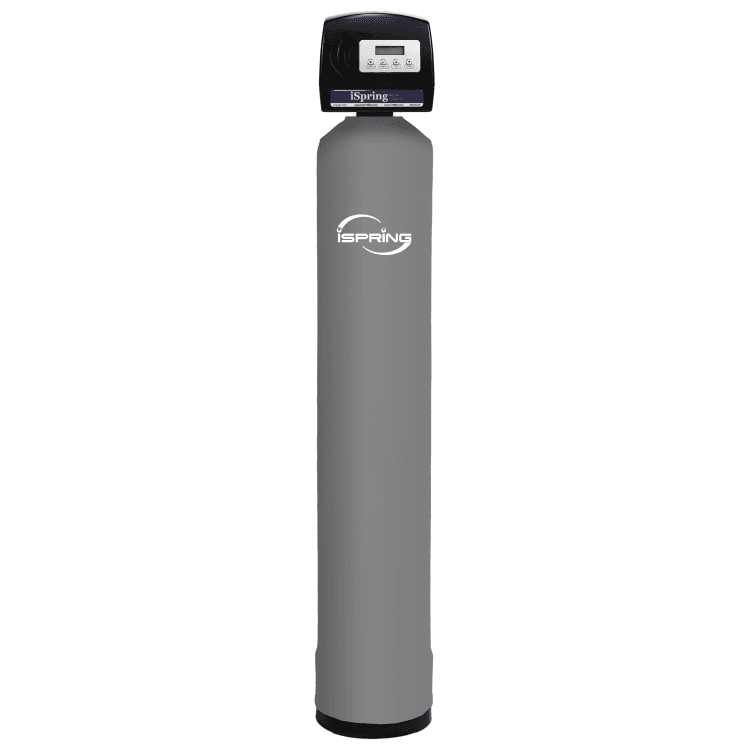
Aeration systems are the most effective treatment — they spray water into the air, allowing radon to off-gas before the water is used. Removal rates of 95-99% are achievable. These are whole-house systems installed at the point of entry.
Granular activated carbon (GAC) filters also remove radon (70-99% removal) but concentrate it on the filter media, which can create radiation disposal concerns when the filter is changed. Aeration is generally preferred for high radon levels.
Note: under-sink RO and pitcher filters are not designed for radon removal from water, and point-of-use filters do not address the inhalation pathway (shower steam, dishwashing).
Match a certified filter to your water source, concern, and home situation.
Live EPA data, PFAS results, and violation history for your ZIP — free.
Check My Water Free →