
Lead in Tap Water: Signs, Symptoms, and How to Know If Your Home Is at Risk
Lead has no taste or smell. Symptoms of exposure are easy to miss. Here is how to assess your risk, what to test for, and what to do.
Lead removal — under-sink RO, under-counter carbon, and NSF 53 pitchers


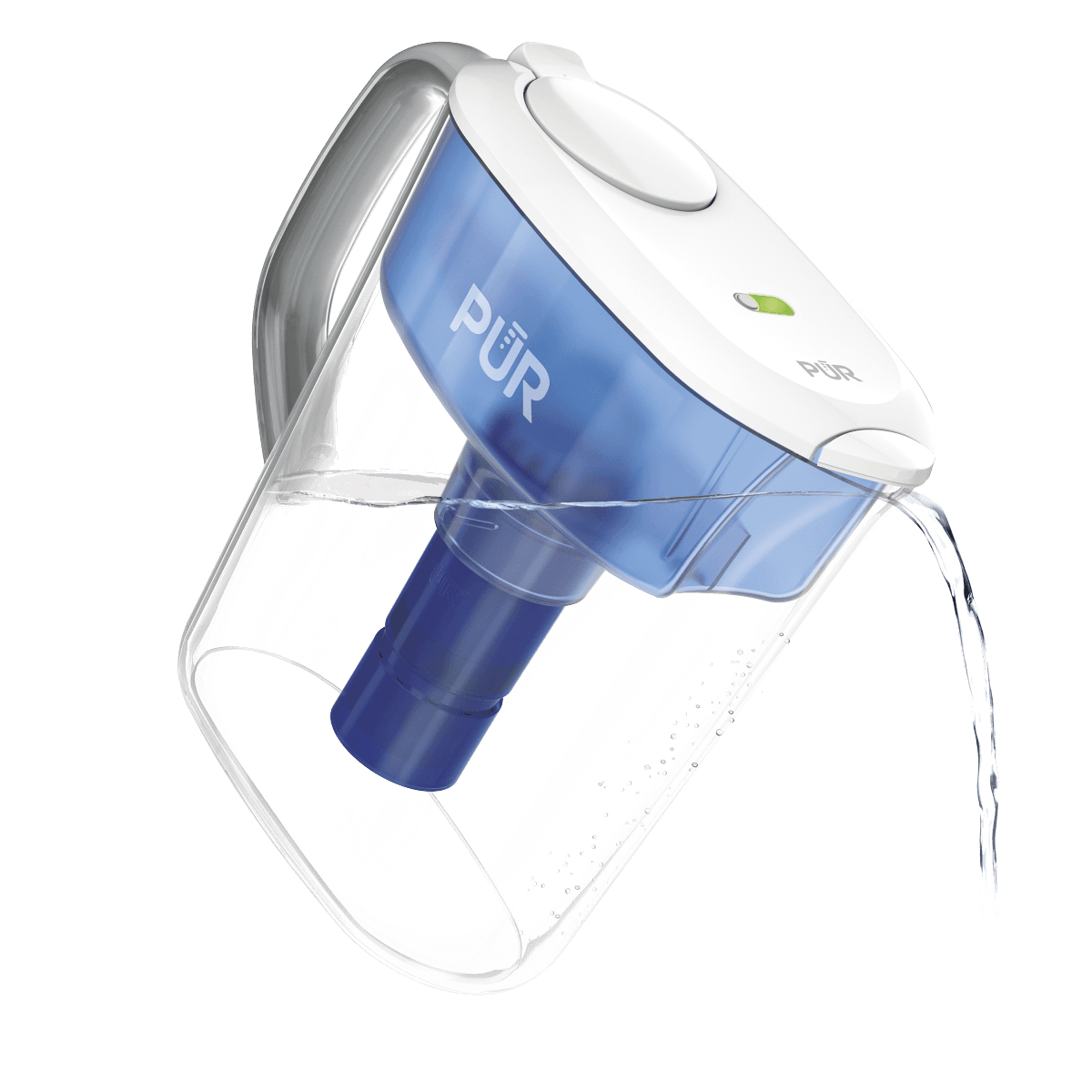
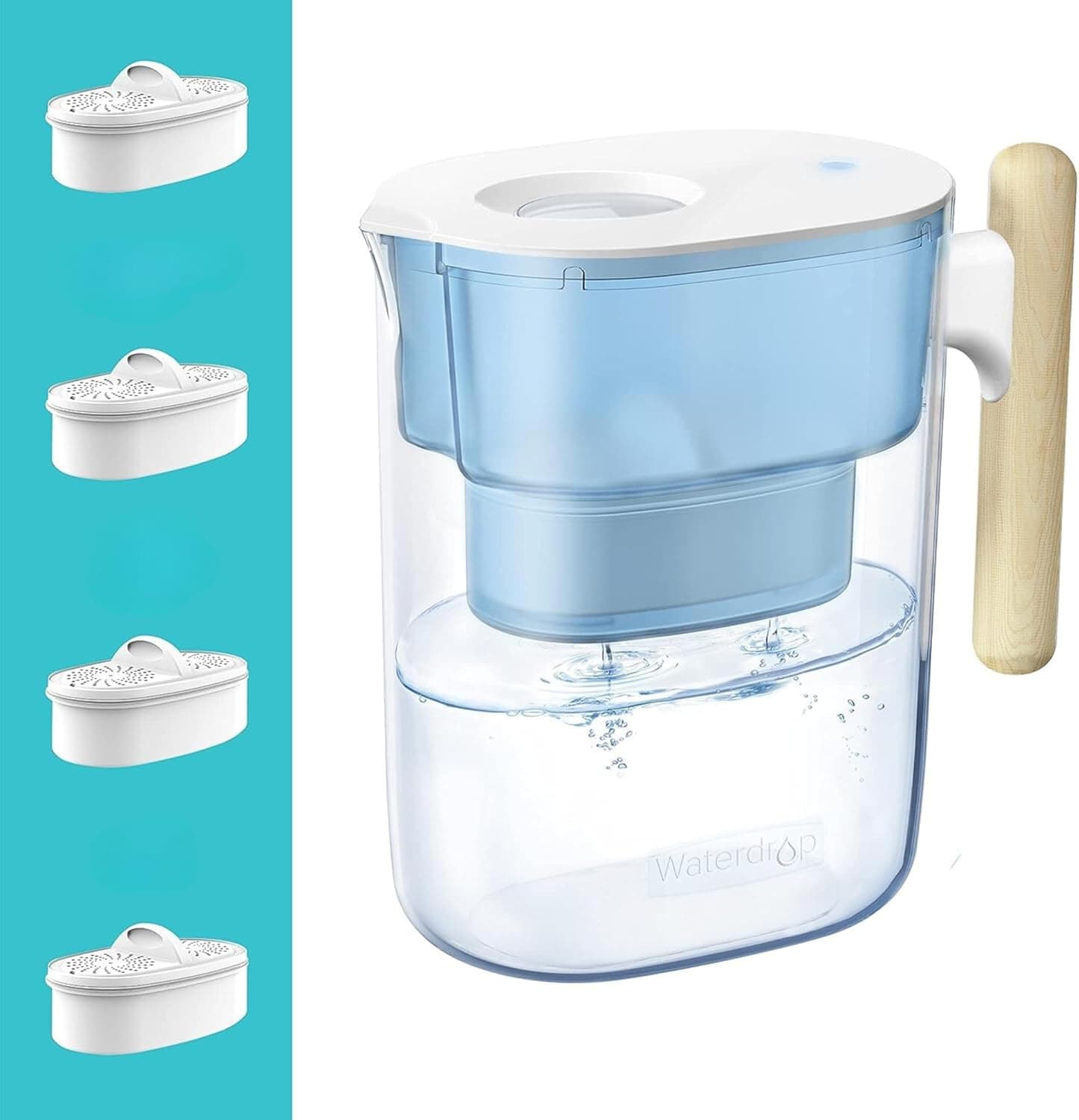
Lead is tasteless, odorless, and colorless in water. You cannot detect it without testing. And because lead exposure symptoms develop slowly over months and years — often presenting as problems with attention, learning, or behavior in children — many families never connect the cause to their water.
How Lead Gets Into Tap Water
Lead almost never comes from the original water source. It enters water at the point of use — from lead service lines (the pipes connecting the water main to your home), lead solder in plumbing joints (used until 1986), brass fixtures containing lead, and in some cases, lead-lined tanks in older buildings.
The EPA estimates 9 to 12 million homes in the US still have lead service lines. The Biden administration's Lead and Copper Rule requires public water systems to replace all lead service lines within 10 years — but replacement is slow and many homes won't be done for years.
Signs and Symptoms of Lead Exposure
In children
Lead affects the developing nervous system most severely. Signs of exposure in children include: learning difficulties and lower IQ, shortened attention span and hyperactivity, delayed development of language and motor skills, behavioral problems, and in severe cases, seizures. These symptoms often do not appear until significant damage has occurred.
In adults
Adult lead exposure symptoms include: high blood pressure, kidney damage, reproductive problems (lower sperm count, miscarriage risk), memory and concentration problems, joint and muscle pain, and fatigue. Pregnant women face particular risk — lead crosses the placenta and affects fetal development.
Important: These symptoms have many possible causes. The only way to know if lead is contributing is a blood lead test from a doctor and a water test from a certified lab.
How to Know If Your Home Is at Risk
Age of your home
Homes built before 1986 are most likely to have lead solder in plumbing and may have lead service lines. Homes built before 1978 may also have lead paint that can contaminate water if pipes are disturbed. Homes built between 1986 and 2014 can still have "lead-free" brass fixtures that contain up to 8% lead under the pre-2014 standard.
Check with your public water system
Call your public water system and ask if you have a lead service line. Under the revised Lead and Copper Rule, public water systems are required to maintain inventories of lead service lines and make them available to customers.
Test your water
A first-draw water test (water collected first thing in the morning after sitting overnight in pipes) gives the most accurate picture of lead at the tap. Send it to a certified lab — DIY test strips are not reliable enough for lead. Run your ZIP on WaterCheckup to see if your public water system has lead violations on record.
What Actually Removes Lead From Water
NSF 53-certified filters remove lead. This includes solid carbon block filters (under-sink and countertop), the Clearly Filtered pitcher, and Brita's Longlast+ cartridge. Do not assume all filters remove lead — standard Brita (non-Longlast+) and most pitcher filters do not.
NSF 58-certified RO systems remove lead to below detectable limits — the most thorough option. Boiling water does NOT remove lead and can actually concentrate it.
Match a certified filter to your water source, concern, and home situation.
Live EPA data, PFAS results, and violation history for your ZIP — free.
Check My Water Free →