
Water Filters That Remove Lead — Best 10 Picks (2026)
Top 10 NSF 53 lead filters: 3 under-sink RO, 4 under-counter carbon (Frizzlife, Epic, Aquasana), and 3 pitcher picks.
Lead removal — under-sink RO, under-counter carbon, and NSF 53 pitchers


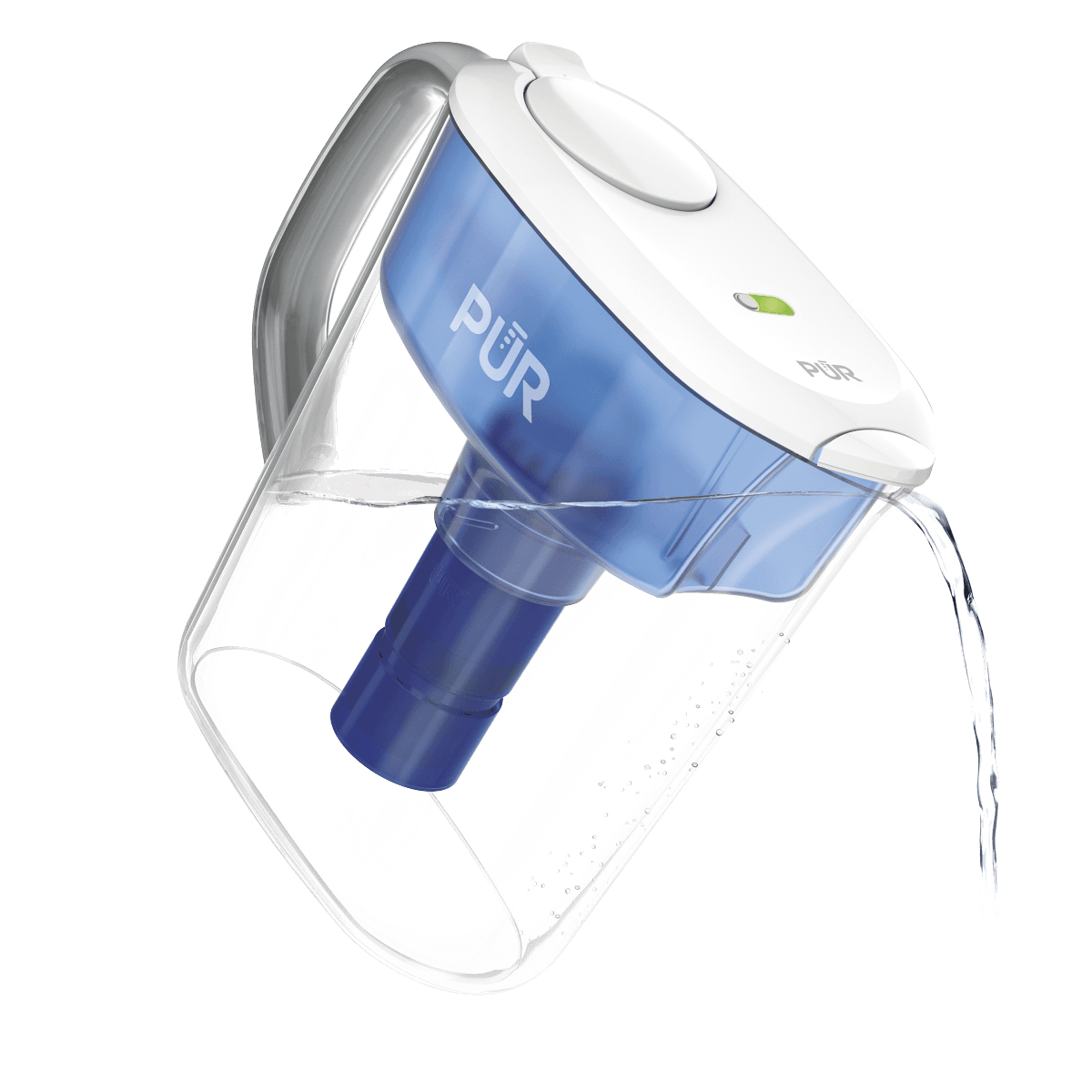
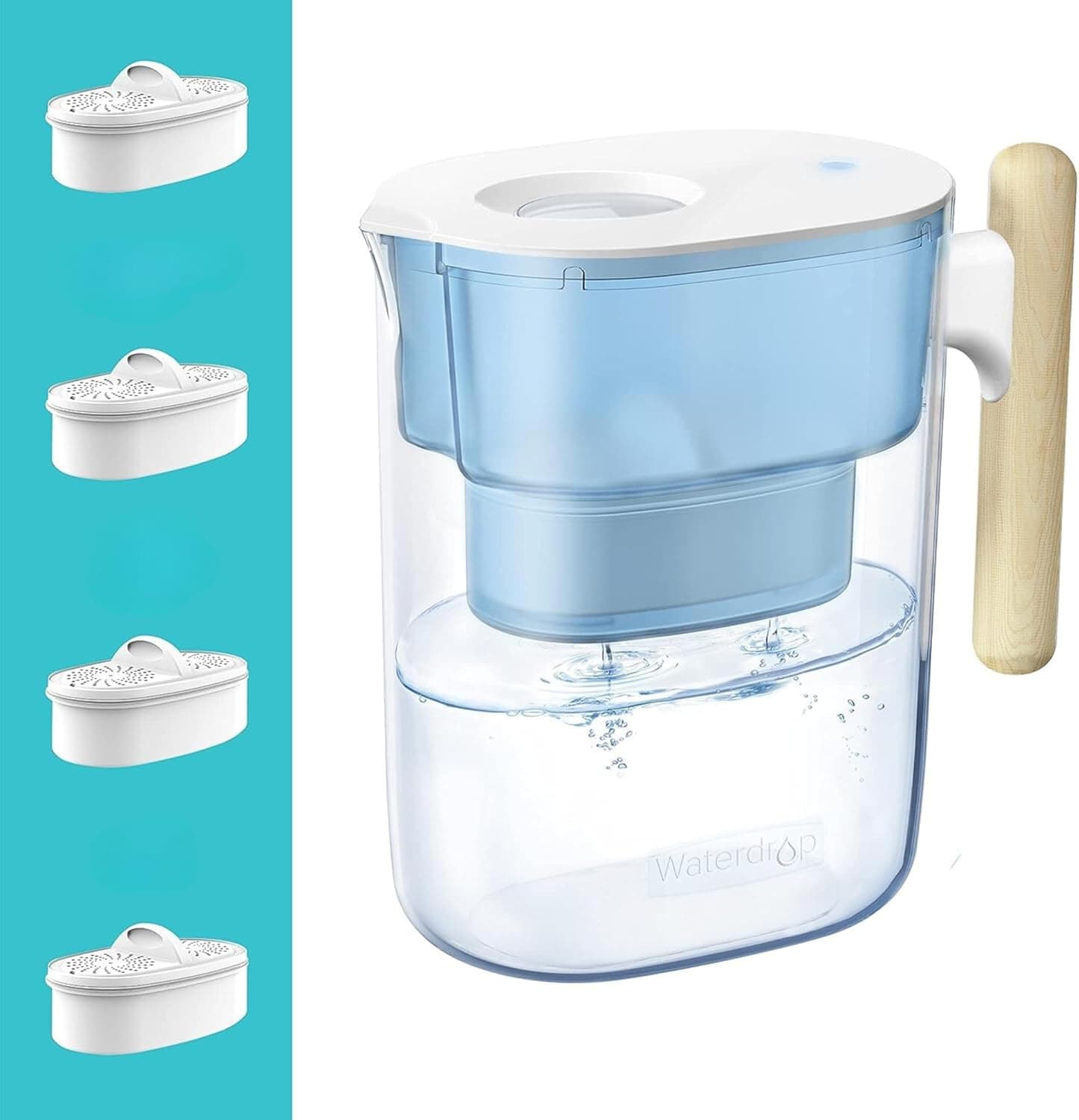
The EPA says it plainly: there is no safe level of lead in drinking water. Even tiny amounts — well below the EPA's "action level" — cause measurable IQ loss, behavioral problems, and neurological damage in children. Lead is a neurotoxin with no known threshold for harm.
And here's what makes it especially dangerous: you cannot see it, smell it, or taste it. Lead contamination in tap water is completely invisible without testing or filtration.
Chicago has 150,000+ lead service lines and Philadelphia has thousands still in use — see our Chicago water quality report and Philadelphia water quality report for scored breakdowns and NSF-certified filter picks.
Where Does Lead Come From?
Lead almost never comes from the water source itself. It enters your water from lead service lines (the pipes connecting your house to the main), lead solder used in plumbing (legal until 1986), and brass fixtures. The water is actually the vehicle — it picks up lead as it travels through your home's plumbing.
The EPA estimates there are still over 9 million lead service lines in the US. The Biden administration set a goal to replace all of them within 10 years — but until they're replaced, filtration is your only protection.
The Only Certification That Matters: NSF/ANSI 53
This is the most important thing in this article. When buying a filter for lead removal, you must see NSF/ANSI Standard 53 certification on the label — specifically for lead reduction. Not NSF 42 (that's just for taste and chlorine). NSF 53.
NSF 53 means an independent lab has verified the filter removes at least 99% of lead at the concentrations typically found in tap water. Without this certification, a manufacturer can claim lead removal without any proof.
Under-Sink Carbon vs. Under-Sink RO for Lead
You do not need reverse osmosis to reduce lead at the kitchen tap. Under-sink carbon filters certified to NSF/ANSI 53 — picks #4–7 in our Top Picks box (Frizzlife MK99, SK99, Epic Smart Shield, Aquasana Claryum) — install under the counter and target lead without RO waste water. Picks #1–3 are under-sink RO for maximum removal; #8–10 are pitcher options for renters.
Our ranked NSF 53/58 picks (10 options — 3 RO, 4 under-counter carbon, 3 pitchers) are in the Top Picks box at the top of this guide — from Joe Letorney, 30-year water treatment expert.
Concerned about lead in your tap water specifically? Check your city: San Antonio · New York · Los Angeles · Philadelphia · Phoenix · Houston · Chicago
What Doesn't Work for Lead
Boiling water does not remove lead — it actually concentrates it by evaporating water while leaving contaminants behind. Sediment filters don't remove dissolved lead. Water softeners don't remove lead. Only certified filtration works.
How to Test Your Water for Lead
The only way to know your lead level is to test. You can get an EPA-certified mail-in lead test for $15-30 (search "EPA certified lead water test"). Many cities also offer free lead testing for residents — call your public water system and ask. Renters in older buildings should always test before assuming they're safe.
You can also enter your ZIP above to check if your water system has any documented lead violations — it won't show your specific home's level but it tells you if your public water system has a known problem.
Bottom Line
If your home was built before 1986, get a filter rated NSF 53 for lead — today. It's the single highest-impact thing you can do for your family's health and it costs less than a month of bottled water. Don't wait for a water crisis to hit your city. Don't assume your public water system's compliance means you're safe. Filter at the tap.
Also see our PFAS removal water filter guide and run a free water quality check by ZIP for your public water system's EPA data.
Frequently asked questions
What is the best water filter for lead removal?
For maximum lead removal, start with an under-sink RO (Waterdrop G3P600, Aquasana SmartFlow, or AquaTru). If you want lead reduction without RO, our under-counter picks are Frizzlife MK99 and SK99, Epic Smart Shield, and Aquasana Claryum 3-Stage — all NSF/ANSI 53 for lead on certified listings. Renters can use NSF 53 pitchers: ZeroWater, PUR PLUS, or Waterdrop pitcher filters.
Do all water filters remove lead?
No. Most standard pitcher filters are not certified to remove lead. You need a filter certified to NSF/ANSI Standard 53 specifically for lead reduction. Always check the certification before buying.
How does lead get into tap water?
Lead almost always enters tap water from aging pipes, lead solder, or brass fittings inside your home — not from the treatment plant. Homes built before 1986 are most at risk.
What NSF certification should I look for in a lead filter?
Look for NSF/ANSI Standard 53, which certifies filters specifically for health-related contaminant reduction including lead. For reverse osmosis systems, also look for NSF/ANSI 58.
Is there a safe level of lead in drinking water?
No. The EPA has set the maximum contaminant level goal for lead at zero, meaning no amount of lead in drinking water is considered safe, particularly for children and pregnant women.
Match a certified filter to your water source, concern, and home situation.
Live EPA data, PFAS results, and violation history for your ZIP — free.
Check My Water Free →