πŸ’§
WaterCheckup
Check My Water β†’
Home Β· Blog Β· Guides
GuidesApril 10, 2026Β·9 min read

Whole-House Water Filter vs. Under-Sink: Which Should You Choose?

Point-of-entry systems treat everything entering the home; point-of-use treats drinking water. Here is how to decide without overspending.

JL
By J. Letorney Β· Water treatment specialist Β· 40+ years in the field
Is your water affected?
Check the EPA report for your exact ZIP code β€” free, instant.
Check My ZIP β†’

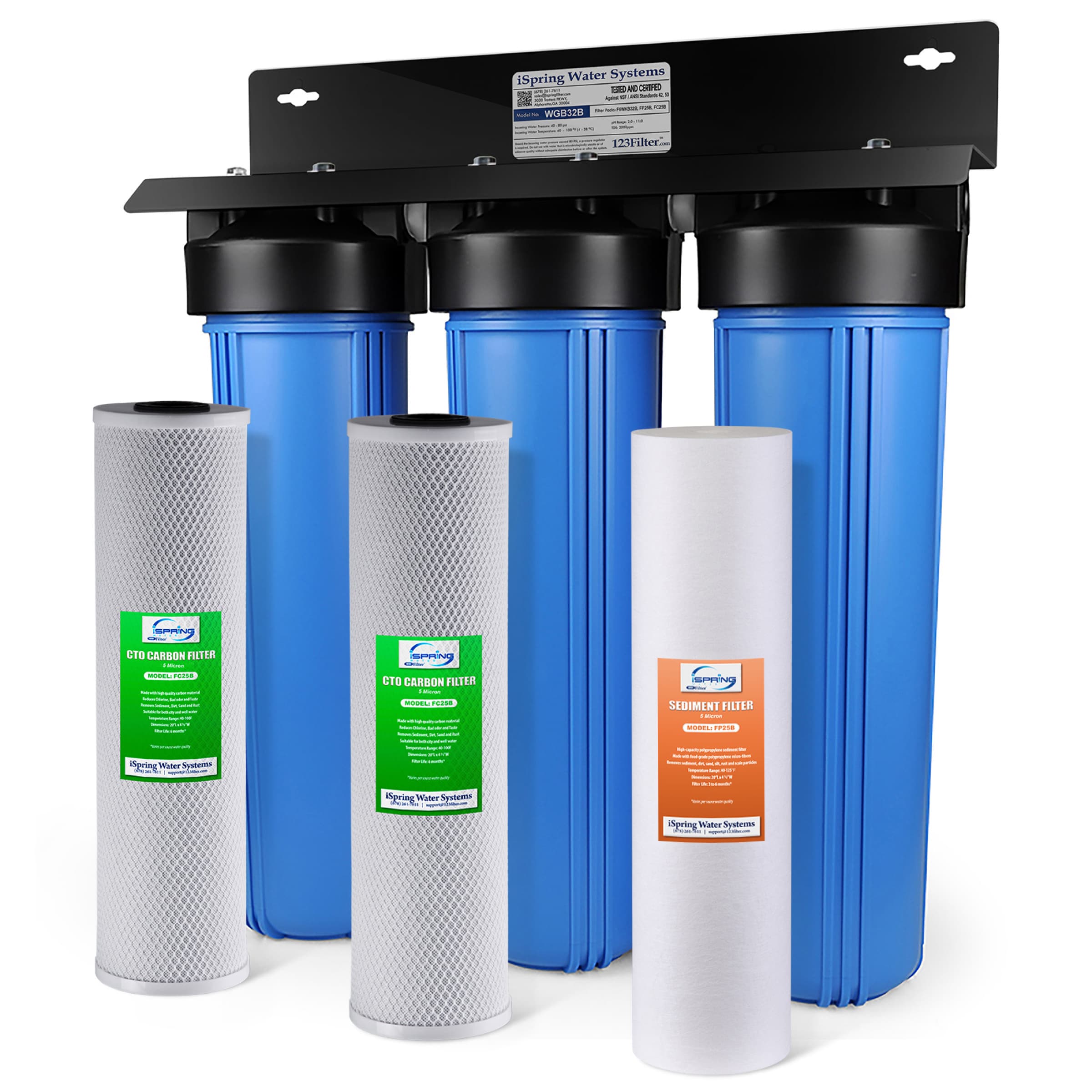
Whole-house (point-of-entry) treats water where it enters your home. Under-sink (point-of-use) treats water at one faucet β€” usually the kitchen.

Whole-house benefits

Reduces chlorine/chloramine taste for showers, laundry, and appliances. Useful for scale control when paired with a softener. Important: whole-house carbon does not automatically make every tap β€œsafe” for every contaminant β€” flow rates and media volume matter.

Under-sink benefits

Higher contact time per gallon at the kitchen sink. RO can deliver strong reduction for drinking and cooking without treating the entire home’s flow.

Budget reality: Whole-house + softener + RO is common in high-hardness areas β€” but many households do fine with RO + shower filter + good maintenance.

Decision framework

Start with your water report and goals: skin/hair irritation from chlorine? β†’ consider whole-house carbon. PFAS/lead/nitrate for drinking? β†’ prioritize certified RO or targeted POU filters.

TOP PICK
⚠ Most homes start with RO at the kitchen sink for drinking
Waterdrop Under-Sink RO System
Targeted, high-performance reduction for the water you consume most.
Get on Waterdrop β†’See on Amazon β†’
MORE GUIDES
Is PFAS in My Tap Water? What the EPA Data Actually Showsβ†’Best Water Filters for Lead Removal in 2026 (NSF Certified)β†’What Does an EPA Water Violation Actually Mean for Your Health?β†’How to Read Your Consumer Confidence Report (CCR)β†’Chloramine vs. Chlorine in Tap Water: What It Means for Filtersβ†’Private Well Water Testing 101: What to Order and How Oftenβ†’Disinfection Byproducts (TTHM & HAA5): What They Are and How to Reduce Themβ†’Hard Water Explained: Scale, Softeners, and What It Means for Your Tapsβ†’Bottled Water vs. Tap Water: Cost, Safety, and PFAS Realityβ†’Chromium-6 in Drinking Water: Should You Worry?β†’Nitrate in Well Water: Why Infants and Pregnancy Need Extra Careβ†’How to Test Your Tap Water: Mail-In Labs, Strips, and What to Orderβ†’Refrigerator Water Filters: What They Actually Removeβ†’Boil Water Advisory: What to Do, What to Avoid, and How Long It Lastsβ†’Microplastics in Drinking Water: What We Know (and What We Don’t)β†’Arsenic in Well Water: The EPA Limit and Treatment That Actually Worksβ†’Why Distilled Water and Reverse Osmosis Are the Two Best Systems for High Purityβ†’
Check your exact water report

Enter your ZIP code to see live EPA data, PFAS results, and violation history for your specific water system.

Check My Water Free β†’