
Private Well Water Testing 101: What to Order and How Often
Wells are not covered by EPA drinking water rules the same way city water is. Here is a sensible testing schedule, which labs to use, and what results mean for treatment.
Private well — UV, iron treatment, and drinking-water RO
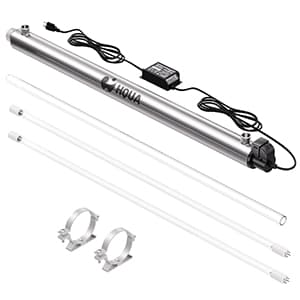
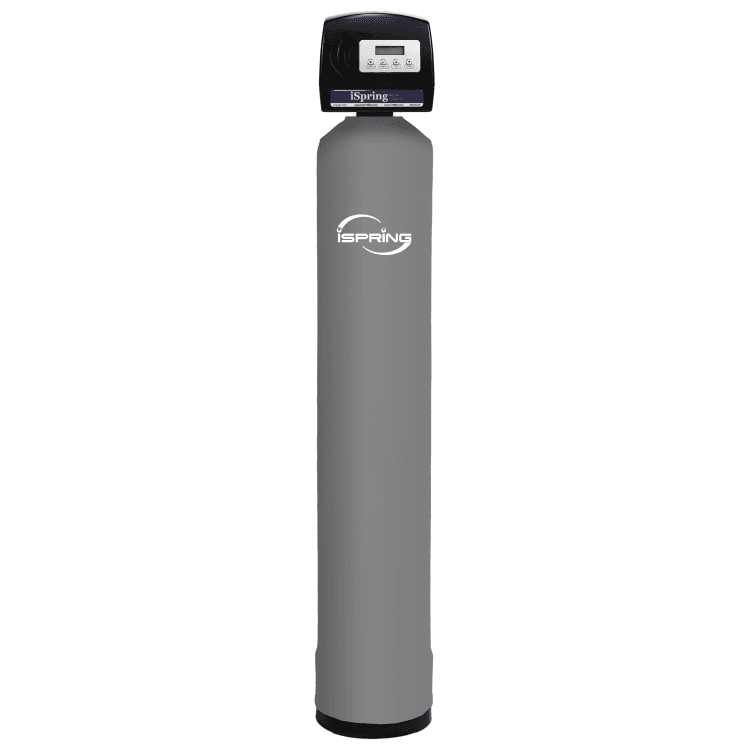


If you drink from a private well, you are your own public water system. There is no annual CCR in the mailbox — safety depends on regular testing and maintaining pumps, casings, and any treatment equipment.
Baseline tests (most wells)
A common starting panel includes bacteria (coliform / E. coli), nitrates, pH, conductivity/TDS, and common ions (hardness, iron, manganese, sulfate, chloride). Your state health department often publishes minimum recommendations.
Regional hazards to ask about
Depending on geology and nearby land use, labs may add arsenic, uranium, radon in water, volatile organic compounds (VOCs), or PFAS. A local environmental lab can recommend add-ons based on ZIP code and aquifer type.
How often
- Bacteria: annually, and after flooding, well work, or any change in taste/odor.
- Nitrate: at least annually if infants or pregnancy are in the home; many states recommend yearly testing.
- Arsenic / metals: every few years unless you are near known hotspots or treatment changes — follow local guidance.
Sampling matters
Use the lab's chain-of-custody instructions: first-draw vs. flushed samples tell different stories for metals. For bacteria, follow sterile bottle procedures and sample timing exactly.
Treatment: do not guess
Pick treatment based on documented results. For example, nitrates often require RO or distillation; bacteria usually points to disinfection/UV and fixing the source of contamination; acidic pH may need neutralization — but the right fix depends on the full chemistry.
Match a certified filter to your water source, concern, and home situation.
Live EPA data, PFAS results, and violation history for your ZIP — free.
Check My Water Free →