
Hard Water Explained: Scale, Softeners, and What It Means for Your Taps
Calcium and magnesium make water “hard.” Here is how hardness affects appliances, whether it is a health risk, and when a softener or RO makes sense.
Hard water — softeners, whole-house carbon, RO, and shower filters


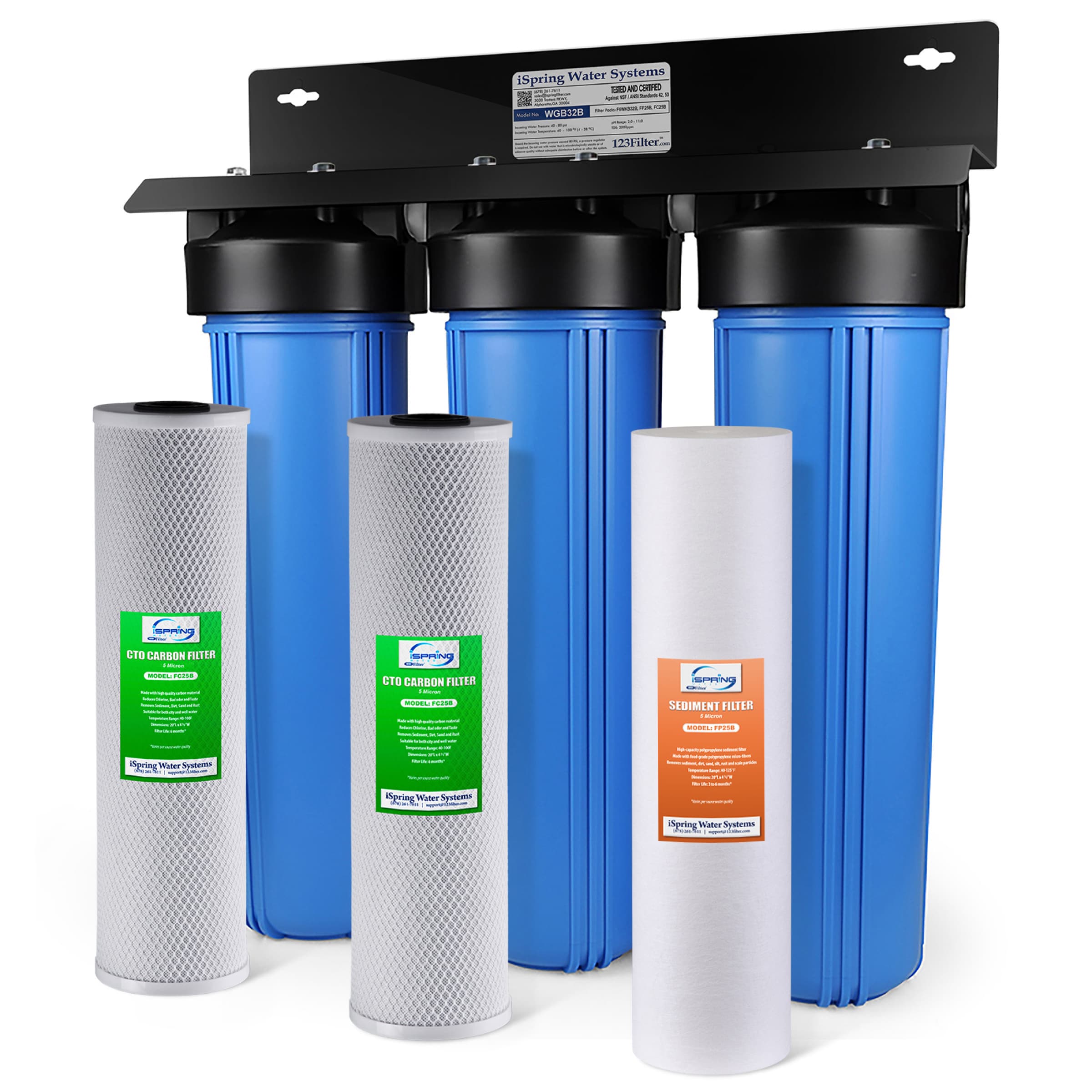


Hard water contains dissolved calcium and magnesium (and sometimes iron). It is extremely common — especially in groundwater and in regions with limestone geology.
Is hard water dangerous?
For drinking, hard water is generally not a health hazard — those minerals contribute to dietary intake. The problem is mechanical: scale on fixtures, reduced soap lather, shortened water heater life, and efficiency loss on dishwashers and tankless heaters.
How to read hardness
Public water systems sometimes report hardness as mg/L CaCO₃ or grains per gallon (gpg). Your CCR may include it; if not, a home test strip or lab panel can quantify it.
Salt softeners vs. salt-free conditioners
Traditional ion-exchange salt softeners remove hardness minerals and replace them with sodium (or potassium if you use potassium chloride). Salt-free conditioners do not remove hardness the same way — they may reduce scale formation on surfaces for some plumbing; verify claims with third-party data for your water chemistry.
Bottom line
Treat hard water when scale is costing you money or comfort. For drinking taste and purity, point-of-use RO is separate from whole-house softening — they solve different problems.
Match a certified filter to your water source, concern, and home situation.
Live EPA data, PFAS results, and violation history for your ZIP — free.
Check My Water Free →