Water Hardness Calculator
Check your water hardness by ZIP code or enter your own reading
What does water hardness mean?
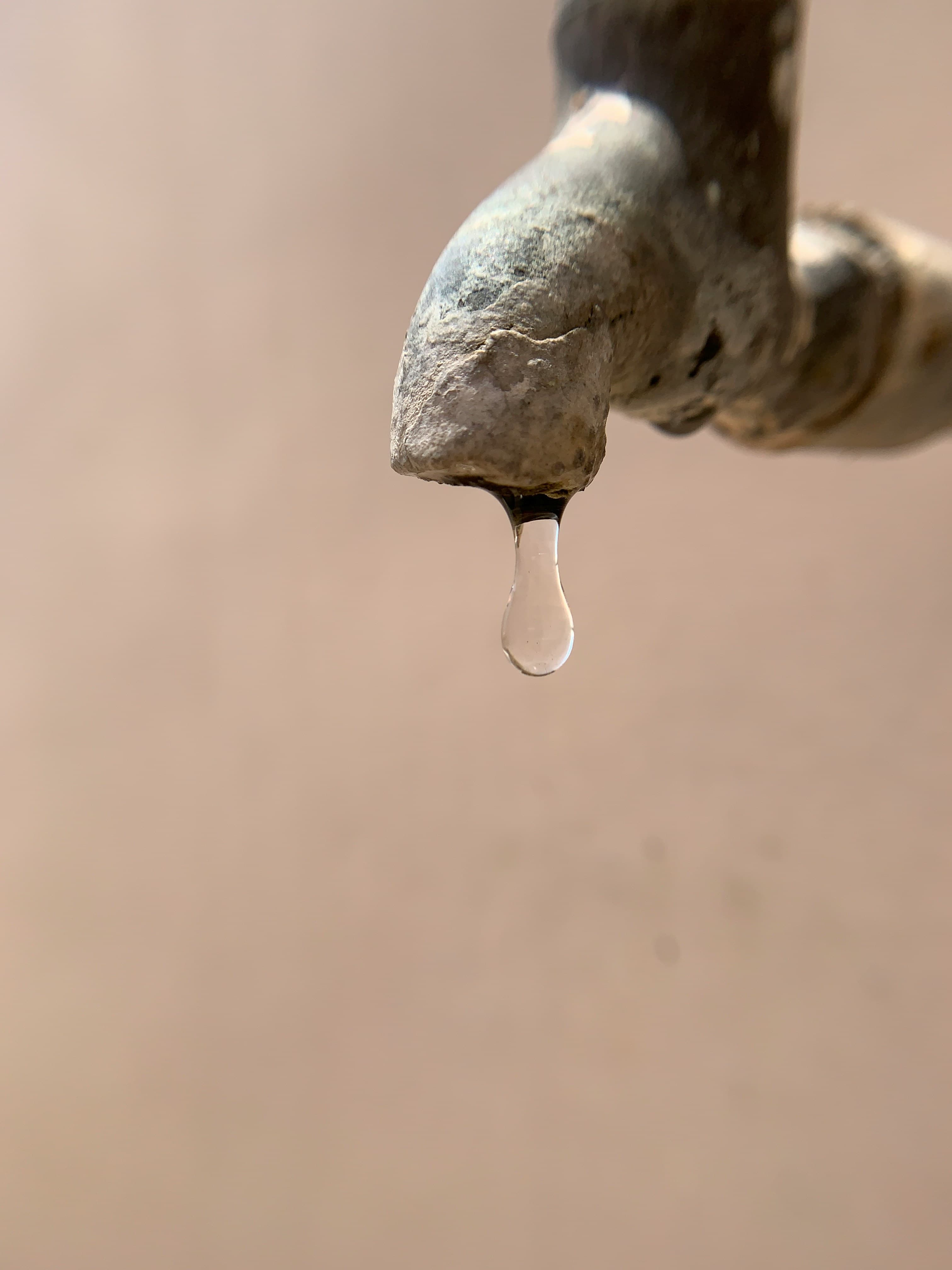
“Hard” water contains higher levels of dissolved calcium and magnesium, picked up as rainwater percolates through rock and soil. Those minerals are not typically a drinking-water health concern—in fact, they contribute to daily nutrient intake—but they change how water behaves in your home. Hard water leaves mineral scale when it is heated or evaporates, which coats electric elements, lowers heat transfer in tank water heaters, and narrows pipes over many years. Soft water has fewer of those ions, so it rinses cleaner and feels slicker on skin, but it can taste flat or slightly salty after traditional ion-exchange softening because sodium replaces the hardness minerals. Most public water systems report hardness as milligrams per liter (mg/L) of calcium carbonate equivalent—the same numeric value as parts per million (ppm) for practical purposes. You will also see grains per gallon (gpg) on some softener packaging; we convert both on this page so you can compare your test strip, lab report, or Consumer Confidence Report to common treatment thresholds.
Hard water problems
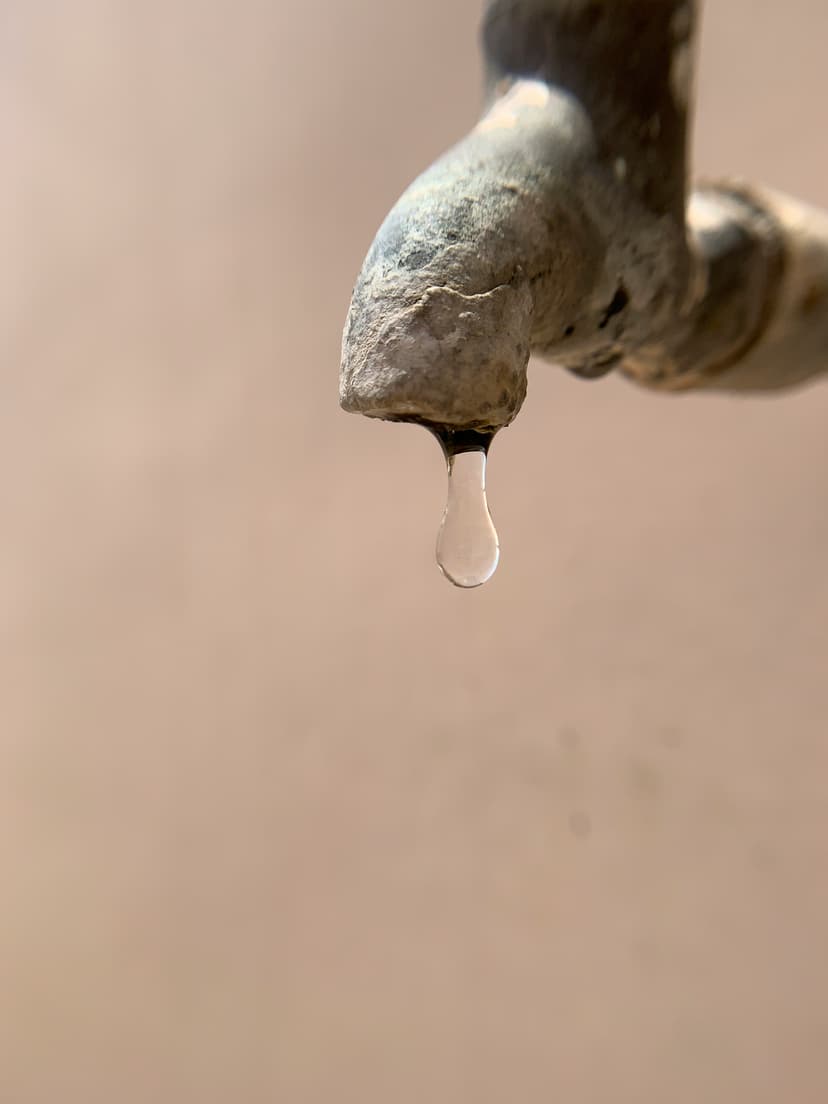
- Scale buildup on pipes, faucets, and heating elements in appliances
- Soap and detergent that refuses to lather—film on tubs and sinks
- Dry skin and dull hair after showering
- Spots on dishes and glassware after drying
- Reduced water heater efficiency — scale insulation on elements can waste substantial energy (often quoted up to ~30% in severe cases)
Soft water problems
- Salty or flat taste if you drink straight from a salt-based softener
- A slippery, “not fully rinsed” feeling in the shower for some people
- Aggressiveness toward legacy lead or copper plumbing if water is very low in minerals and pH is not controlled — often managed by public water systems; worth monitoring after installing aggressive treatment
What's the ideal water hardness?
There is no single “perfect” number for every person, but many homeowners consider about 60–120 ppm (3.5–7 gpg) a comfortable middle ground: enough mineral to taste familiar, not so much that scale and soap waste dominate. The U.S. Geological Survey and World Health Organization use slightly different cut points for labeling bands; the calculator on this page uses the practical buckets (soft through very hard) shown in your results. If your public water system lands in the moderate band, focus on hot-water appliances first; if you are very hard, whole-home softening plus a drinking-water path (often reverse osmosis) is a common professional recommendation.
How to test your water hardness
Dip-and-read test strips are inexpensive, take seconds, and work well for bracketing your hardness (soft / medium / hard). Accuracy is typically ±one band, so use them to decide whether more investigation is warranted — not to fine-tune industrial softeners. Handheld TDS meters measure total dissolved solids, not hardness alone; high TDS often correlates with hard groundwater but can also reflect sodium, sulfate, or other ions — pair TDS with a hardness-specific test if you are choosing softener size. Certified lab testing (mail-in kits) gives the most defensible numbers for mortgages, disputes, or sizing expensive equipment; request calcium, magnesium (or total hardness as CaCO₃), and alkalinity if you are modeling scale risk.
Hard water solutions (general guide)
Match treatment to severity. The calculator above highlights one affiliate starting point based on your reading; the three categories below cover the same ground with static Amazon search links (tag watercheck20-20).
Prioritize a whole-home ion-exchange water softener sized to your grains-per-day load.
Search water softeners on Amazon →Consider scale-prevention cartridges, template-assisted crystallization, or hybrid conditioners before jumping to salt if your hardness is borderline.
Search descaling / anti-scale options on Amazon →You may need no softener at all; a simple NSF-certified carbon or multistage filter can polish taste and chlorine.
Search certified drinking-water filters on Amazon →Hardness by U.S. state (our city sample)
Averages use WaterCheckup cities that have a hardness value in EPA UCMR5 monitoring (mg/L as CaCO₃). States with no matching cities show “—”. Sorted hardest → softest.
| STATE | AVG HARDNESS (PPM) | CLASSIFICATION | CITIES TESTED |
|---|---|---|---|
| Arizona | 242.9 | Very hard | 9 |
| New Mexico | 111 | Moderately hard | 1 |
| Colorado | 78.6 | Moderately hard | 5 |
| Utah | 71 | Moderately hard | 2 |
| Nevada | 59 | Soft | 3 |
| Texas | 43.7 | Soft | 11 |
| Kansas | 41.5 | Soft | 1 |
| California | 38 | Soft | 9 |
| Pennsylvania | 37 | Soft | 1 |
| Florida | 36.5 | Soft | 2 |
| New Jersey | 36.1 | Soft | 2 |
| South Dakota | 33.7 | Soft | 1 |
| Nebraska | 27.3 | Soft | 2 |
| Idaho | 24 | Soft | 1 |
| Maine | 22.9 | Soft | 1 |
| North Dakota | 21.3 | Soft | 1 |
| Louisiana | 20.9 | Soft | 2 |
| Maryland | 20 | Soft | 1 |
| Virginia | 14.9 | Soft | 2 |
| Missouri | 14.2 | Soft | 3 |
| Michigan | 11 | Soft | 2 |
| North Carolina | 9.5 | Soft | 2 |
| Alabama | — | — | 0 |
| Alaska | — | — | 0 |
| Arkansas | — | — | 0 |
| Connecticut | — | — | 0 |
| Delaware | — | — | 0 |
| Georgia | — | — | 0 |
| Hawaii | — | — | 0 |
| Illinois | — | — | 0 |
| Indiana | — | — | 0 |
| Iowa | — | — | 0 |
| Kentucky | — | — | 0 |
| Massachusetts | — | — | 0 |
| Minnesota | — | — | 0 |
| Mississippi | — | — | 0 |
| Montana | — | — | 0 |
| New Hampshire | — | — | 0 |
| New York | — | — | 0 |
| Ohio | — | — | 0 |
| Oklahoma | — | — | 0 |
| Oregon | — | — | 0 |
| Rhode Island | — | — | 0 |
| South Carolina | — | — | 0 |
| Tennessee | — | — | 0 |
| Vermont | — | — | 0 |
| Washington | — | — | 0 |
| West Virginia | — | — | 0 |
| Wisconsin | — | — | 0 |
| Wyoming | — | — | 0 |
Back to city water reports or check your ZIP.
Pick a category to see our top certified options — compare a short list, then choose what fits your home.
* Affiliate links — we may earn a commission at no cost to you. Our recommendations are based on certifications and data, not paid placements.