
Refrigerator Water Filters: What They Actually Remove
Fridge filters are convenient — but certification varies wildly. Here is how to read NSF claims and when you still need RO.
Faucet-mount filters — renters, no under-sink install
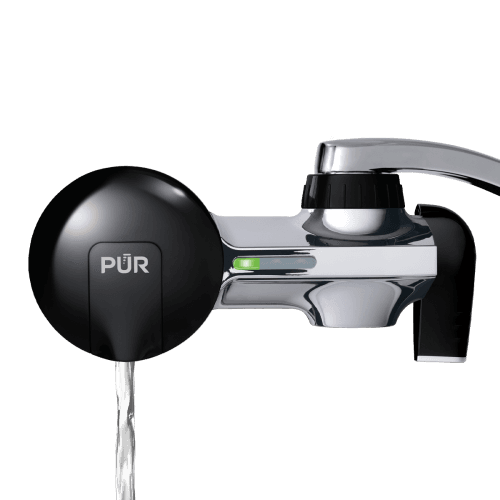
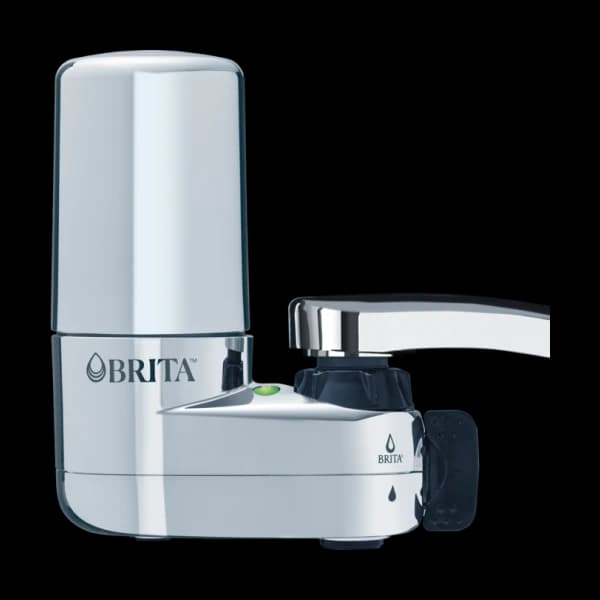
Most refrigerator filters use activated carbon to improve taste and reduce chlorine. Performance depends on the exact cartridge and whether it is NSF-certified for what you care about.
Check NSF labels
Look up the model on NSF’s listings. NSF/ANSI 42 is taste/chlorine. NSF/ANSI 53 covers health effects like lead (when certified). NSF/ANSI 58 is RO systems — not typical fridge filters.
Limitations
Fridge filters have low flow and limited contact time. They can be excellent for taste and odor — but may not be the right tool for PFAS, nitrates, or high lead.
When to upgrade
If your WaterCheckup report shows detections you care about, pair a certified filter with a real plan — often undersink RO for drinking and the fridge for convenience.
Match a certified filter to your water source, concern, and home situation.
Live EPA data, PFAS results, and violation history for your ZIP — free.
Check My Water Free →