
Is New York City Tap Water Safe to Drink in 2026?
NYC has some of the best municipal source water in the country — but building pipes, lead, and PFAS still matter. Here is what the 2026 data shows for residents.
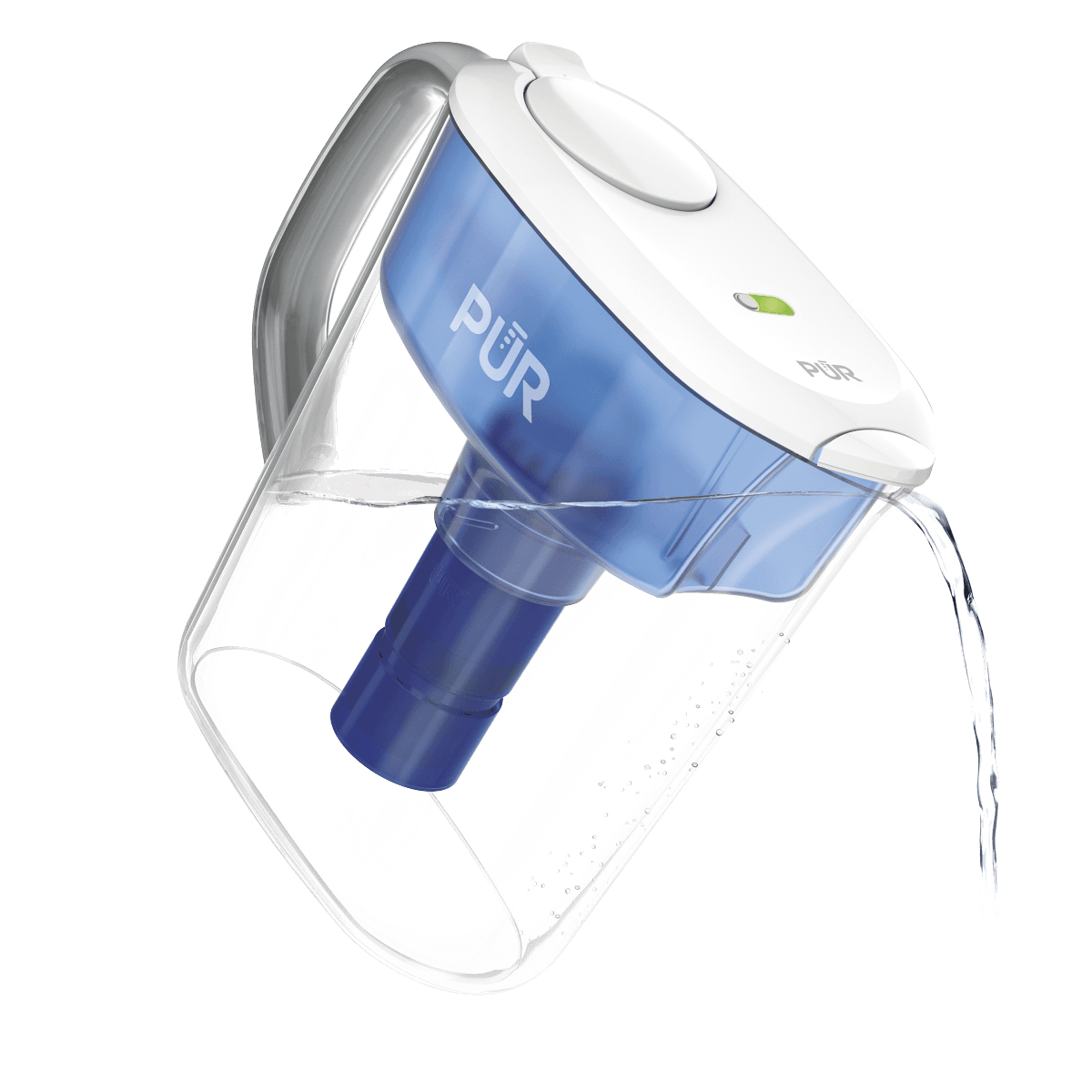
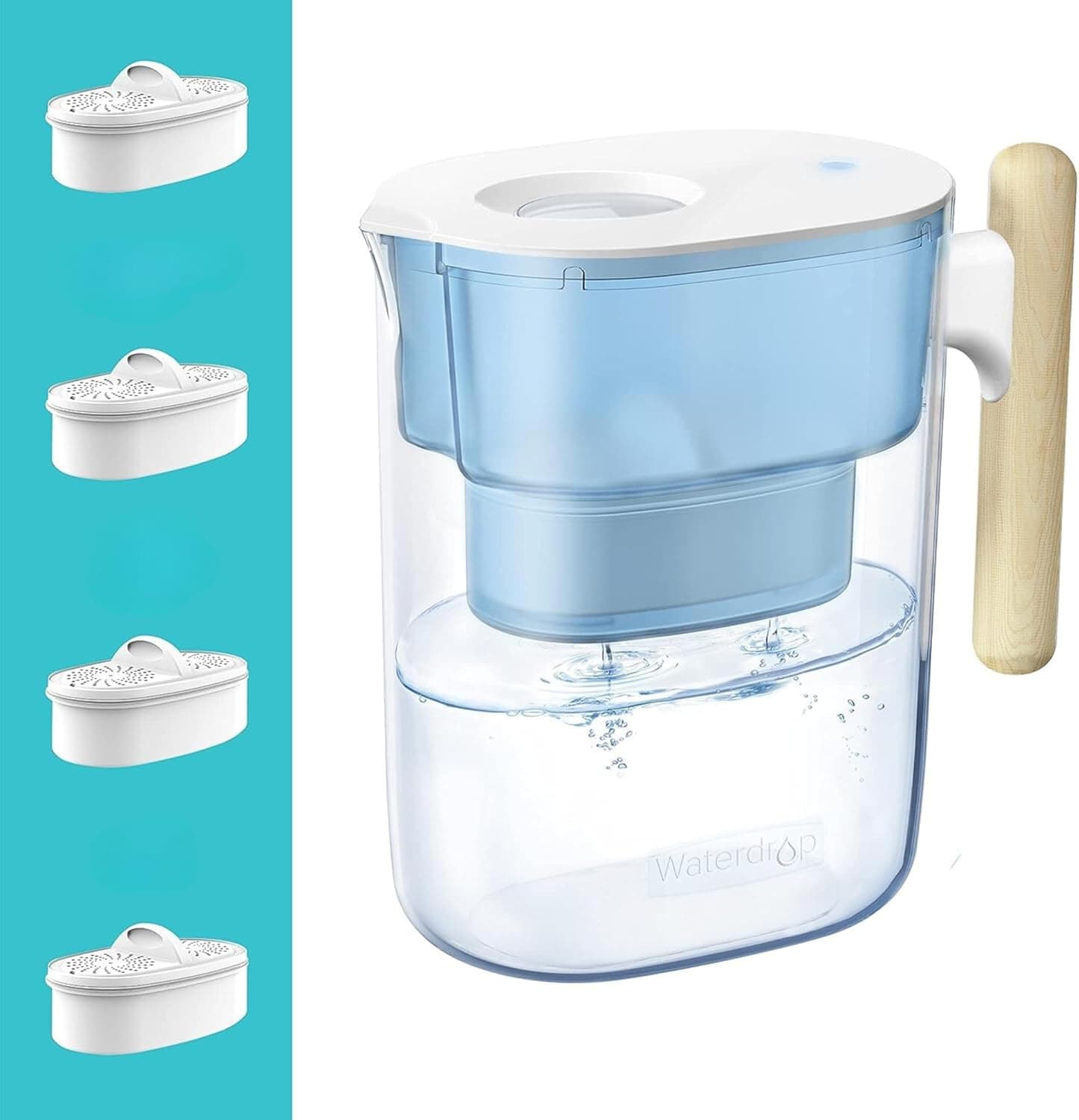
Pitcher filters — NSF 53 lead and PFAS options, no install


New Yorkers love to brag about their tap water — and for good reason. Much of it travels from the Catskill and Delaware watersheds, protected land with minimal industrial runoff. NYCDEP treats and delivers water that routinely ranks among the best of any large U.S. city.
So is NYC tap water safe in 2026? The honest answer: yes for most people, most of the time — but “safe” depends on what happens after the water leaves the reservoir. Lead in building plumbing, disinfection byproducts, and emerging PFAS detections are the issues that actually affect New Yorkers at the faucet.
For the scored breakdown with letter grade, PFAS data, and filter picks, see our New York City water quality report.
What makes NYC water different
Unlike cities that rely heavily on groundwater or the Colorado River, NYC gets surface water from protected upstate reservoirs. That means lower natural hardness, excellent baseline quality, and no need for the aggressive treatment some Southwest public water systems use.
The NYC Department of Environmental Protection (NYCDEP) serves about 9 million residents across five boroughs. Annual water quality reports consistently show compliance with federal Maximum Contaminant Levels (MCLs) for regulated contaminants at the distribution system level.
The real NYC risk: lead in building pipes
Lead almost never comes from the Catskill reservoirs. It comes from lead service lines, lead solder, and brass fixtures inside older buildings — especially those built before 1986, and pre-1961 for lead solder.
When water sits stagnant in lead plumbing overnight, lead can dissolve into the water you drink first thing in the morning. NYCDEP adds corrosion control to reduce this, but it cannot eliminate lead inside private plumbing.
If you live in a pre-war co-op, brownstone, or older rental:
- Run cold water for 30–60 seconds before drinking or cooking
- Never use hot tap water for drinking or baby formula
- Use an NSF 53-certified filter certified for lead reduction
- Check NYCDEP lead guidance and consider a home lead test if you have young children
PFAS and disinfection byproducts in NYC
NYC water is chlorinated for disinfection — necessary and effective, but it creates trihalomethanes (TTHMs) and haloacetic acids (HAA5) when chlorine reacts with natural organic matter. These are regulated and typically below EPA limits, but EWG health guidelines are far stricter than federal law.
PFAS (“forever chemicals”) have also been detected in NYC water at low levels in EPA monitoring and third-party databases. The EPA set enforceable limits for PFOA and PFOS in 2024. NYC public water systems are working to meet them — but many health advocates argue even tiny amounts carry long-term risk.
For a deeper dive on PFAS specifically, read our guide: PFAS in New York City Water.
NYC tap water vs bottled water
Bottled water is not automatically safer. Many brands are purified tap water. NYC tap water costs about $0.01 per gallon from the faucet versus $1–$3 for bottled. Environmentally and financially, filtered NYC tap water is the rational choice for most households.
The exception: if you are in an older building with known lead plumbing and no filter, bottled or filtered water is prudent until you verify your tap water with a test.
How to check your water in 2026
Three steps every NYC resident should take:
- Read your building age and plumbing. Pre-1986 = elevated lead risk.
- Check your ZIP on WaterCheckup. Enter your address to see EPA violation history, PFAS UCMR5 data, and contaminant levels for your public water system: NYC water quality report.
- Read the annual CCR. NYCDEP publishes a Consumer Confidence Report each year — here is how to read it.
Bottom line for 2026
NYC tap water is safe to drink for most residents when you account for building-specific risks. The municipal supply is excellent. Your job is to know your building, filter if needed, and not assume “great city water” means zero lead or PFAS at your tap.
Renters: a certified pitcher filter is the fastest fix. Homeowners: consider under-sink RO or NSF 53 filtration at the kitchen tap. Parents in older buildings: test for lead — no guesswork beats a lab result.
Match a certified filter to your water source, concern, and home situation.
Live EPA data, PFAS results, and violation history for your ZIP — free.
Check My Water Free →